

There’s a reason people from across the country make the trip to sell jewelry in the Diamond District NYC, 47th Street has been the beating heart of the American jewelry trade for nearly a century. But walking into that stretch of Midtown Manhattan without knowing what you’re doing can cost you real money. Whether you’re carrying a diamond ring from a past engagement, a strand of pearls from your grandmother’s estate, or a signed piece from a luxury house, the difference between a good deal and a bad one often comes down to preparation. Here’s what experienced sellers know that first-timers don’t.
The Street Is Not the Same as a Reputable Buyer
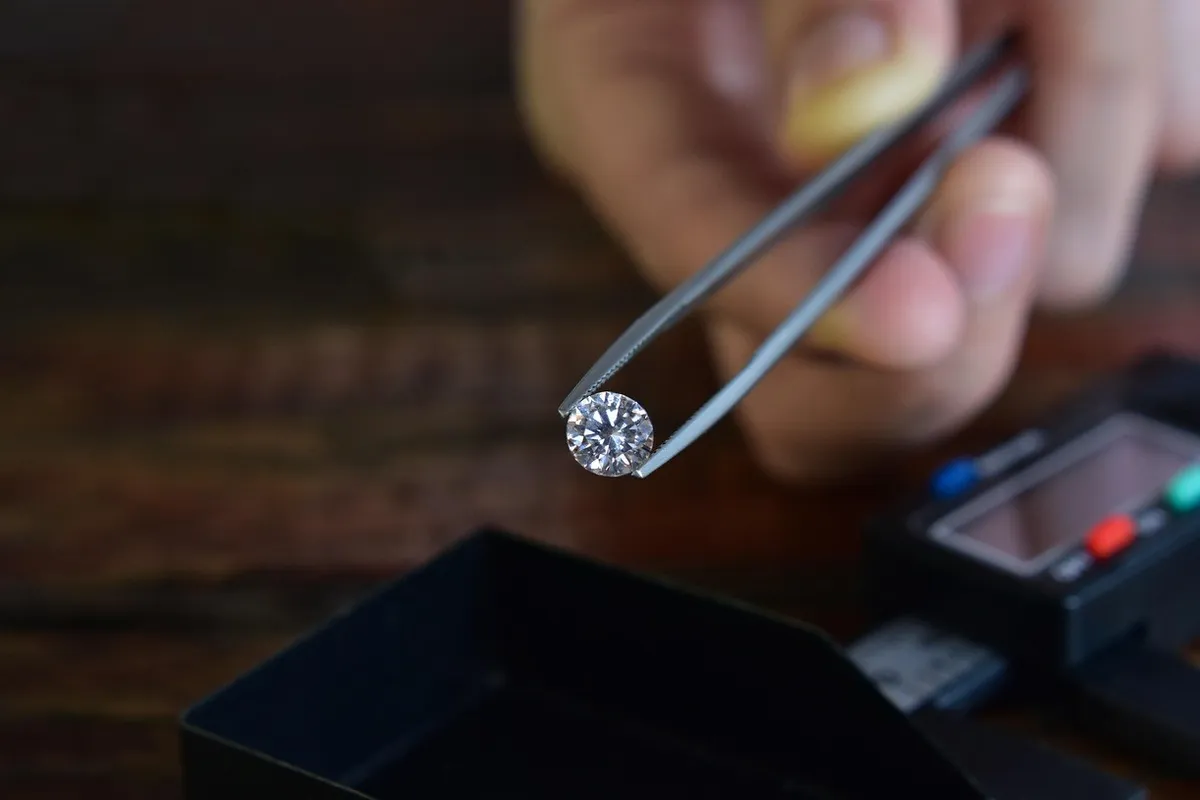
47th Street is dense. Dozens of storefronts, stalls, and booths line the block, and many of them will wave you in with a smile and a fast offer. That speed is not a compliment, it’s a tactic. Quick offers are designed to close before you have time to think, compare, or question. Legitimate buyers take time to properly evaluate what you’ve brought in. They examine the piece under magnification, check hallmarks, assess stone quality, and reference current market prices before putting a number on the table.
If someone gives you an offer in under two minutes, that’s a signal, not a sign of efficiency. Understanding how diamond buyers in NYC actually operate before you walk in gives you a significant advantage. The sellers who do best are the ones who know what a proper appraisal process looks like and can recognize when they’re not getting one.
What Your Jewelry Is Actually Worth, and Why That Number Surprises People
Most people anchor their expectations to the retail price they paid, or to a sentimental value that has nothing to do with the resale market. That gap between what you paid and what a buyer will offer is real, and it’s not a scam, it’s just how the secondary market works. A buyer needs to account for resale risk, overhead, and current demand. That said, certain categories hold their value far better than others.
Signed pieces from major luxury houses tend to command stronger offers. A Cartier piecefor example, carries brand equity that a generic diamond ring of identical carat weight simply doesn’t. The same logic applies to Tiffany & Co.Van Cleef & Arpelsand other houses with strong collector followings. If you have estate pieces or antique jewelry, those can sometimes outperform expectations entirely, particularly if the craftsmanship or provenance is notable. Antique jewelry has seen real demand growth in recent years as buyers seek pieces with history and character.
Diamonds themselves are evaluated on the four Cs, cut, color, clarity, and carat, but condition matters too. A stone with a GIA certificate will always command more confidence than one without documentation. If you have paperwork, bring it.
The Mistakes That Cost Sellers the Most
One of the most common errors is accepting the first offer without shopping it. Even on a single block, offers can vary by hundreds, sometimes thousands, of dollars for the same piece. You are under no obligation to sell on the spot. A trustworthy buyer will never pressure you to decide immediately, and if they do, that pressure itself is useful information.
Another costly mistake is not cleaning or presenting your jewelry well before bringing it in. This isn’t about tricking anyone, a buyer will see what’s there regardless. But a piece that looks cared-for signals to the buyer that it’s been maintained, which can influence the conversation. There are several common mistakes sellers make that are entirely avoidable with a little advance knowledge.
Sellers also frequently underestimate the value of vintage or older pieces because they assume newer is better. That’s not always true. Certain eras of jewelry design, Art Deco, Edwardian, Mid-Century, carry real collector demand. If you have older pieces sitting in a drawer, don’t assume they’re worth less than something contemporary.
How to Walk In Prepared and Walk Out Satisfied
The sellers who consistently get strong offers share a few habits. They research current gold and diamond spot prices before arriving, these fluctuate daily and set the floor for any serious offer. They bring any documentation they have: original receipts, GIA or AGS certificates, appraisals. They know roughly what category their piece falls into, fine jewelry, estate, luxury brand, fashion, and they’ve done at least basic research on comparable sales.
47th Street Buyers has been working with sellers in this market for years, and the feedback from people who’ve gone through the process is consistent: transparency and a clear explanation of how an offer is calculated make all the difference. Sellers who understand why they’re being offered a specific number, not just what the number is, leave feeling confident rather than uncertain.
If you’re carrying a luxury timepiece alongside your jewelry, it’s worth knowing that watches are evaluated on a separate set of criteria. Selling a watch in NYC involves brand, model, condition, and box-and-papers status, and the right buyer handles both categories with equal expertise.
The District rewards sellers who show up informed. Do the homework, take your time, and don’t let anyone rush you. The right offer from the right buyer is worth the extra few minutes it takes to find it.
Frequently Asked Questions
How do I know if a buyer on 47th Street is actually legitimate before I hand over my jewelry?
A real buyer will take time to examine your piece under magnification, check hallmarks, assess stone quality, and reference current market prices before giving you a number, that process takes more than two minutes. If someone waves you in off the street and throws out an offer almost immediately, that speed is a tactic designed to close before you can compare or think it through. Use that rushed behavior as a signal to walk out and find someone who explains their process.
Why is the offer I get so much lower than what I originally paid for the piece?
The gap between retail price and resale value is real across the entire secondary market, it’s not specific to 47th Street or a sign that you’re being lowballed. Buyers have to account for resale risk, overhead, and current demand when they put a number on the table. Signed pieces from houses like Cartier, Tiffany & Co., or Van Cleef & Arpels tend to hold value better than generic pieces of identical weight because the brand carries its own equity in the resale market.
Does it actually matter if I bring paperwork like a GIA certificate or the original receipt?
Yes, a diamond with a GIA certificate will always command more buyer confidence than one without documentation, and that confidence shows up in the offer. Original receipts, AGS certificates, and prior appraisals all support the conversation and reduce the uncertainty a buyer has to price in. Bring anything you have; even if a document doesn’t change the final number dramatically, it removes friction from the process.
I have older jewelry from my grandmother’s estate, is it worth bringing in, or is newer jewelry worth more?
Older pieces can actually outperform expectations, particularly if the craftsmanship or provenance is notable. Certain design eras, Art Deco, Edwardian, Mid-Century, carry real collector demand right now, and antique jewelry has seen genuine growth in interest from buyers seeking pieces with history. Don’t assume something sitting in a drawer for decades is worth less than a contemporary piece; bring it in and let a buyer who knows estate jewelry evaluate it properly.
Am I allowed to get multiple offers before deciding, or do I have to sell on the spot?
You are under no obligation to sell immediately, and a trustworthy buyer will never pressure you to decide on the spot. Offers on the same piece can vary by hundreds or even thousands of dollars from one buyer to the next, even within the same block, so shopping around is one of the most concrete things you can do to protect yourself. If a buyer tells you the offer expires the moment you walk out the door, that pressure is itself useful information about how they operate.