

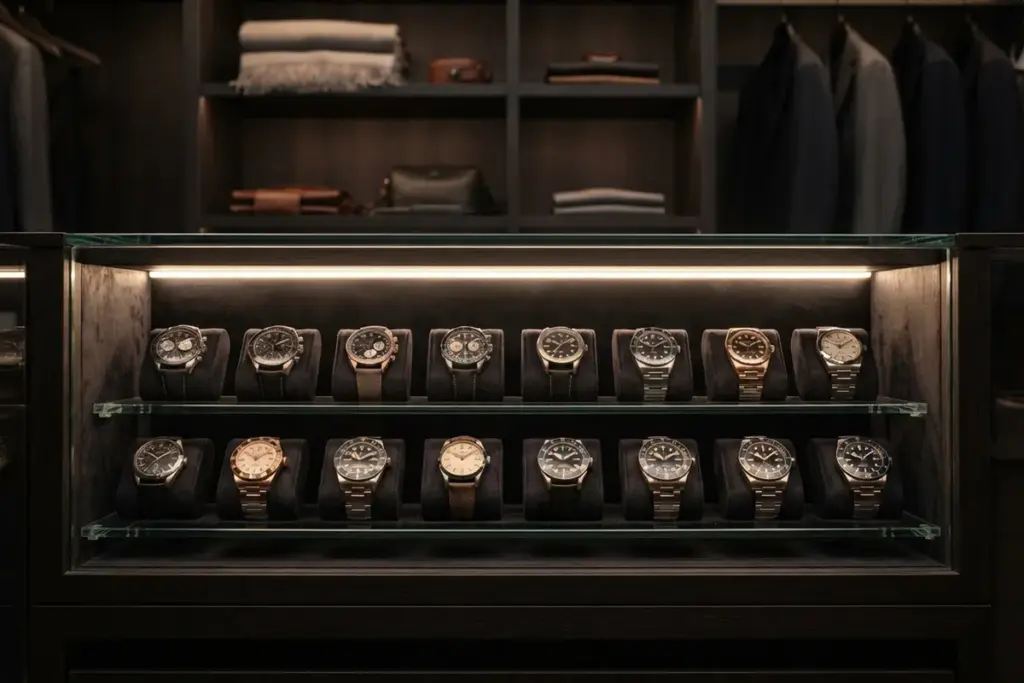
Selling a high-end timepiece in this city is not like selling one anywhere else, and if you’ve ever tried to find reputable luxury watch buyers in NYCyou already know the landscape can feel overwhelming. Between the pawn shops, the online platforms, and the dealers who specialize in specific brands, knowing where to go, and what to expect when you get there, makes a real difference in how much money you walk away with.
Your Watch Is Worth More Than You Think, and Less Than the Internet Says
This is the tension every seller faces. You look up your Rolex or your Audemars Piguet on a resale site, see a price that makes you feel good, and then walk into a buyer’s office expecting that number. The problem is that retail and resale prices reflect what a watch sells for after it’s been authenticated, serviced, photographed, marketed, and sat in inventory for weeks or months. A buyer has to account for all of that.
That doesn’t mean you should accept a lowball offer. It means you need to understand the difference between retail value, resale value, and what a direct buyer can realistically pay. A good buyer will explain that gap clearly. If someone can’t or won’t walk you through their pricing, that’s a signal to walk out the door.
Condition matters enormously here. A Breitling with its original box, papers, and a clean service history commands a meaningfully higher offer than the same reference without documentation. Before you go anywhere, it’s worth reading through a solid checklist for preparing your watch for sale in NYCsmall details like having the original bracelet or a recent service record can shift an offer by hundreds of dollars.
What Sets a Specialist Apart From a General Buyer
Not every jewelry buyer has the same depth of knowledge when it comes to watches. A shop that primarily deals in gold and diamonds may be able to assess the metal content of a case, but they might miss what makes a particular reference of a Jaeger-LeCoultre or a Patek Philippe genuinely collectible. That gap in expertise translates directly into lower offers.
A specialist understands the secondary market for specific references. They know which Hublot models are moving right now and which ones have softened. They know that a OMEGA Speedmaster with its original tritium dial is a different conversation than a modern reissue. That kind of knowledge is what you’re paying for, or rather, what you’re getting paid for, when you work with the right buyer.
47th Street Buyers has built a reputation in this city precisely because of that depth. Customers who’ve been through the process consistently mention that the evaluation felt thorough and fair, not rushed or dismissive. That matters when you’re handing over something you’ve worn for years.
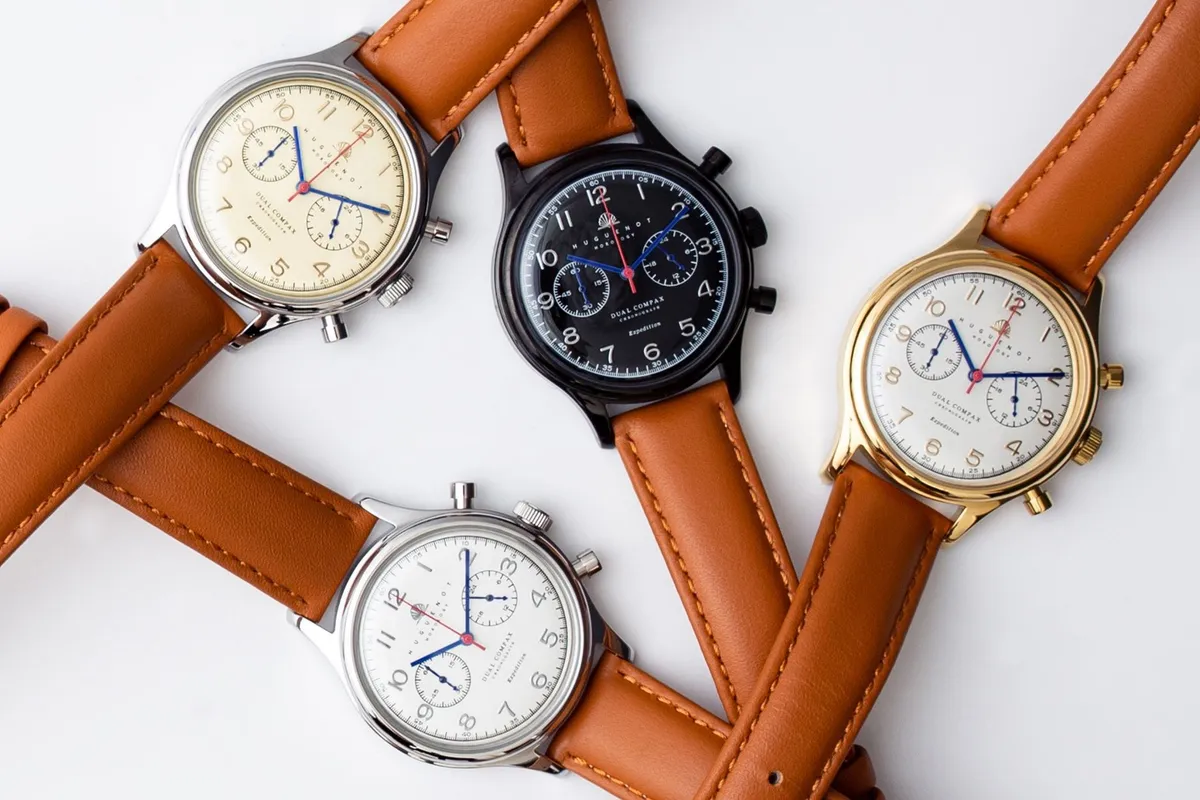
The NYC Market Moves Fast, and That Can Work in Your Favor
New York has a concentration of serious watch collectors, estate buyers, and international dealers that simply doesn’t exist in most other cities. That creates real demand, and real demand means competitive offers. A Chopard or an IWC that might sit for months in a smaller market can move quickly here because there’s a buyer base that knows exactly what it is.
The flip side is that the market is also more sophisticated. Buyers in this city see a lot of watches, which means they’re harder to fool, but also harder to underpay. If you bring in something genuinely valuable, a knowledgeable buyer will recognize it. The city’s competitive environment keeps offers honest in a way that’s harder to achieve in a market with fewer players.
Timing also plays a role. Watch values, like any collectible market, shift with broader economic conditions and collector trends. If you’re sitting on a piece you’ve been meaning to sell, checking in with a specialist now rather than waiting is usually the smarter move. You can always get a no-obligation appraisal and decide from there.
How to Walk Into That Appointment Ready
The sellers who get the best results are the ones who show up prepared. That means gathering everything that came with the watch, box, papers, extra links, service records, receipts if you have them. It means knowing roughly what you paid and when, which gives a buyer useful context. And it means having a realistic sense of what you’re hoping to get, without being so anchored to a number that you can’t have a real conversation.
It also means going to a buyer who will actually explain their offer. A reputable specialist will tell you what they’re looking at, why they’re valuing the watch the way they are, and what factors are working for or against you. If an offer comes with no explanation, push for one. You’re entitled to understand what you’re being paid and why.
If you’re ready to take the next step, selling your watch in NYC through an experienced buyer who knows the market is the most straightforward path to a fair outcome. The process doesn’t have to be complicated, it just has to start with the right conversation.
Frequently Asked Questions
Why is the offer I get from a buyer so much lower than the price I see on resale sites?
The prices you see on resale platforms reflect what a watch sells for after authentication, servicing, photography, marketing, and sometimes months sitting in inventory, a buyer has to cover all of those costs before they can turn a profit. What a direct buyer pays you is the number that still makes the deal work for both sides after accounting for that overhead. A good buyer will walk you through exactly how they arrived at their figure, and if they won’t, that’s reason enough to leave.
Does it actually make a difference if I bring the original box and papers to my appointment?
Yes, and the article is specific about this: having the original box, papers, and a clean service history can shift an offer by hundreds of dollars on the same reference. Even smaller details like the original bracelet or a recent service record carry real weight in the evaluation. Gather everything that came with the watch before you go, it’s worth the extra ten minutes of searching.
How do I know whether a shop actually specializes in watches or just handles them on the side?
A shop that mainly deals in gold and diamonds can assess the metal content of a case, but they may not recognize what makes a specific reference of a Patek Philippe or Jaeger-LeCoultre genuinely collectible, and that knowledge gap shows up directly in the offer they make you. A real specialist knows which models are moving right now and which have softened, and they can tell you which category your watch falls into. If the person evaluating your watch can’t speak to the secondary market for your specific reference, you’re probably in the wrong place.
Is there any advantage to selling a watch in New York City compared to other cities?
The article makes a concrete case for it: New York has a concentration of serious collectors, estate buyers, and international dealers that most other cities simply don’t have, and that real demand produces more competitive offers. A Chopard or an IWC that might sit for months in a smaller market can move quickly here because the buyer base already knows what it is. That competitive environment also keeps offers more honest, because buyers in this city see enough volume that they can’t afford to lowball something genuinely valuable.
Do I have to commit to selling at my appointment, or can I just get an appraisal first?
The article specifically mentions that getting a no-obligation appraisal and deciding from there is a reasonable approach, especially if you’re unsure about timing or current market conditions. Watch values shift with broader economic trends and collector demand, so knowing what your piece is worth right now costs you nothing. You’re under no obligation to accept an offer on the spot, and a reputable buyer won’t pressure you to.