

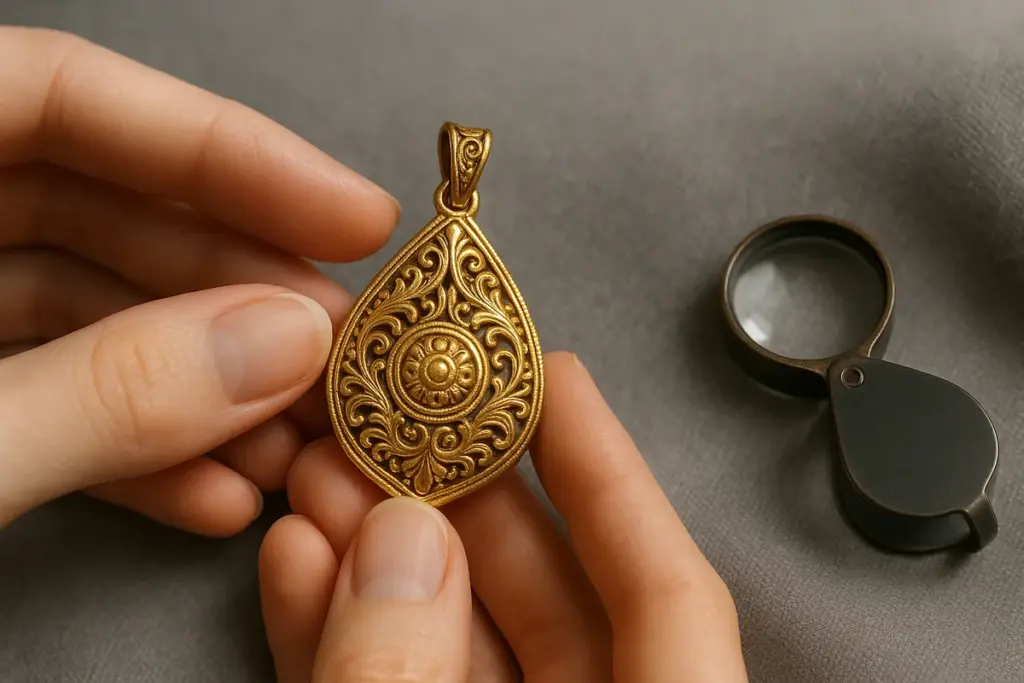
The Mistakes People Make When Selling Jewelry in NYC, And How to Avoid Them
Every year, thousands of New Yorkers walk away from the table leaving serious money behind. They came to sell jewelry in NYCthey got an offer, and they took it, without ever knowing they could have done significantly better. The good news? Most of these mistakes are completely avoidable once you know what to look for. Whether you’re offloading a diamond ring, a designer bracelet, or a box of inherited pieces you’ve never worn, the difference between a good deal and a great one almost always comes down to preparation and knowing how this market actually works.
Thinking All Buyers Are Created Equal
This is probably the single most costly assumption a seller can make. Not every buyer in this city operates the same way, values pieces the same way, or has the same purchasing power. A pawn shop on a side street is not the same as a specialized jewelry buyer on 47th Street who has spent decades building relationships with wholesalers, auction houses, and collectors.
The type of buyer matters enormously, especially when you’re selling designer or branded pieces. A Cartier braceletfor example, carries brand equity that a generalist buyer may not fully account for. The same goes for pieces from Tiffany & Co. or Van Cleef & Arpels. A buyer who specializes in these names knows exactly what the resale market looks like for them, and that knowledge translates directly into a better offer for you.
The lesson here is simple: match your piece to the right buyer. If you’re selling estate jewelry, find someone who actually buys estate jewelry. If you have a luxury watch, go to someone who moves watches. Generalists will almost always undervalue what they don’t specialize in.
Skipping the Homework Before You Walk In the Door
Most people have no idea what their jewelry is worth before they try to sell it. That’s understandable, jewelry valuation isn’t exactly common knowledge. But walking in completely blind puts you at a serious disadvantage.
You don’t need to become an expert overnight. You just need a baseline. Start by pulling out any original paperwork, receipts, certificates, appraisals, GIA reports. These documents don’t just add credibility; they can meaningfully increase what a buyer is willing to offer. A diamond with a GIA certificate is a known quantity. Without documentation, a buyer has to price in uncertainty, and that uncertainty comes out of your pocket.
It’s also worth doing a quick scan of recent sold listings on auction platforms to get a rough sense of market value for comparable pieces. You’re not looking to become a pricing expert, you’re looking to walk in with enough knowledge that you can recognize a low offer when you see one. As one resource on common jewelry selling myths points out, many sellers overestimate retail appraisal value and underestimate what a fair cash offer actually looks like. Understanding that gap ahead of time saves a lot of frustration.
Letting Sentiment Drive the Negotiation
This one is delicate, but it’s real. Inherited jewelry, engagement rings from ended relationships, pieces tied to significant memories, these carry emotional weight that has absolutely no bearing on market value. That’s not a cold statement; it’s just the reality of how buyers evaluate what’s in front of them.
Sellers who are emotionally attached to a piece often either overprice it and walk away empty-handed, or they hesitate so long that they miss favorable market conditions entirely. Gold prices fluctuate. Diamond demand shifts. Designer resale markets move with trends. Waiting for the “perfect moment” while holding onto something you’ve already decided to sell rarely pays off.
If a piece genuinely has sentimental value and you’re not sure you want to part with it, that’s a completely valid reason to hold onto it. But if you’ve made the decision to sell, treat it like a financial transaction, because that’s what it is. Buyers who have worked in this industry for years will tell you that the sellers who do best are the ones who come in clear-headed and focused on getting the best return, not the ones who are still processing whether to sell at all.
For sellers dealing with estate jewelry in particular, this emotional distance can be especially difficult. But it’s also where working with an experienced, transparent buyer makes the biggest difference. When people feel respected and informed throughout the process, not rushed or pressured, the experience is far less stressful. That’s something sellers consistently mention when they find the right buyer to work with.
Getting One Offer and Calling It Done
One offer is not a market. It’s a data point. If you walk into a single buyer, get a number, and accept it on the spot without any comparison, you have no idea whether that number is fair, generous, or low. The only way to know is to get more than one perspective.
This doesn’t mean you need to spend weeks shopping your jewelry around the city. Two or three offers from reputable buyers is usually enough to get a real sense of where the market sits for your specific piece. And the process itself is educational, you’ll start to hear consistent language around condition, weight, stone quality, and brand value that helps you understand what’s driving the numbers.
Buyers who are confident in their offers will never pressure you to decide on the spot. If someone is rushing you or making you feel like the offer expires in five minutes, that’s a signal worth paying attention to. Reputable operations, like the team at 47th Street Buyers, who have been working with sellers across the city for years, will give you time to think, ask questions, and make a decision you’re comfortable with.
The jewelry market in this city is competitive, and that competition works in your favor, but only if you use it. Get informed, get multiple perspectives, and don’t let urgency or emotion make the decision for you. The sellers who come out ahead are almost always the ones who treated the process like the financial opportunity it genuinely is.
Frequently Asked Questions About Sell Jewelry
How do I find a trustworthy jewelry buyer in NYC to sell my jewelry?
Look for established jewelry buyers in NYC with verifiable credentials, such as membership in the Better Business Bureau (BBB) or the Jewelers of America association. Reading Google reviews and asking for recommendations from friends or family in the city can also help you identify reputable buyers. Always visit the buyer’s physical location in person and avoid anyone who pressures you into making a quick decision without giving you time to compare offers.
What types of jewelry can I sell to a local NYC jewelry buyer?
Most NYC jewelry buyers purchase a wide variety of items, including gold, silver, and platinum jewelry, diamond rings, earrings, bracelets, necklaces, and even broken or damaged pieces. Luxury and designer jewelry from brands like Tiffany & Co., Cartier, or Van Cleef & Arpels can also fetch strong offers from specialized buyers in the city. Even estate jewelry, antique pieces, or inherited items with no certificates can typically be evaluated and purchased by experienced local buyers.
How is the value of my jewelry determined when I go to sell it in NYC?
Jewelry buyers in NYC assess value based on several factors, including the metal type and purity (measured in karats for gold), the quality and carat weight of any gemstones, the current market price of precious metals, and the overall condition of the piece. Designer or branded jewelry may carry additional value based on its brand recognition and demand in the resale market. It is always a good idea to get multiple appraisals from different buyers across the city to ensure you are receiving a fair and competitive offer.
Do I need a certificate or original receipt to sell my jewelry in NYC?
You do not necessarily need a certificate or original receipt to sell your jewelry in NYC, as most reputable buyers can evaluate pieces based on their physical characteristics alone. However, having a GIA certificate for a diamond or original paperwork for a luxury brand piece can significantly increase the offer you receive, as it verifies authenticity and quality. If you do have documentation, always bring it along to your appointment, as it can make the selling process faster and more straightforward.
Is it safe to sell jewelry in NYC, and what precautions should I take?
Selling jewelry in NYC is generally safe as long as you take a few important precautions, such as choosing a well-established buyer with a secure, professional storefront rather than meeting strangers in public or through unverified online classifieds. Always bring a friend or family member with you when carrying valuable jewelry, and avoid advertising on social media that you plan to sell high-value items. Make sure to get any offer in writing before agreeing to a sale, and never feel obligated to accept an offer on the spot if you are not fully comfortable with the terms.